 |
Just One Thing |
|
|
|
Simple Practices for Resilience and Happiness from |
|
DR. RICK HANSON |
 |
|
|
|
|
If you've been struggling with anxiety, worry, or chronic stress, I hope you'll consider joining me for a special, 12-week intensive to Rewire Your Anxious Brain. This course starts in January and is the most interactive, supportive online course I've offered to date — with weekly live sessions with me, weekly discussion groups, an online community, handouts, and home practices for you to do. And if you register now with the early-bird special, you can get the course at half price. Let's start 2026 handling your anxiety, together. |
 |
|
|
|
What do you think about when you first wake up? |
THE PRACTICE: |
Lean into Good on First Waking. |
|
|
— Why? — |
|
Waking up is like the sun rising. At first, it's mostly dark, as glimmers of consciousness begin to light the shadows. Emerging into full wakefulness, the fogs and veils dissolve and the whole plain of your mind comes into view. It's quiet: a restiveness in the body, sleepy still, not yet much internal verbal chatter. There's an intimacy with yourself, abiding as the core of your being.
(Though for some, especially those with a vulnerability toward anxiety or a history of trauma, first waking can be anxiety-saturated. If this is true for you, please know that it is quite common, and probably due in part to being at a physiological low ebb at this time of day and perhaps as well cortisol rising sooner than it should in its daily cycle. As soon as you can, bring awareness to the simple ongoing alrightness of the body breathing, sustaining attention to heart beating, no immediate threat, others nearby [if true], walls still standing, home basically alright, breathing ongoing, recognizing that the anxiety at the moment probably has little or no actual basis in reality, heart still beating . . . and so forth . . . really opening to the sustained embodied sense of the facts of alrightness.)
During these first few minutes, your mind and brain are very receptive to influence. If hypothetically, a loud alarm suddenly began clanging, you'd probably feel rattled for hours; on the other hand, if someone you love suddenly began telling you how much he or she cared about you, you'd probably feel good for hours.
So, at this delicate and lovely time in the morning, why not influence your mind and brain yourself?
There is a traditional saying that the mind takes its shape from whatever it rests upon. For better or worse. Instead of resting it upon planning, worrying, or stressing about your day, how about taking a little time to receive and embrace something more positive? Which would set up your whole day for the better - especially if you are prone, as many are, to anxiety or the blues in the morning.
Then as your day unfolds, from time to time, you could return to the feelings and intentions you established when you first awoke - to replenish yourself in a quick pit stop on the road of life. |
— How? — |
|
This practice is really natural and simple: on first waking, rest your mind upon one or more things that are good for you.
For example, you could relax into your body, feeling the truth that you are actually alright right now. Or you could open to gratitude. Or bring to mind someone you care about - perhaps sleeping beside you - and soften into love.
You could be aware of a deep purpose, aspiration, or guiding light. Give yourself over to this calling, letting it carry you along. This is a personally important practice for me. Another one I do is to find refuge in things that support me. For example, classic refuges are a teacher, a body of teachings, or the community of the taught; people also take refuge in mindfulness, the power of reason, practice, inner light, the fact of connection, or their sense of something Divine. Take a moment to get a feeling for each refuge and let it sink in.
Or consider our three fundamental needs, loosely linked to the three-stage evolution (to simplify: reptile, mammal, primate/human) of the brain: avoid harm, approach rewards, and attach to others. When we experience that these needs are met, the brain naturally defaults to its home base, its Responsive mode, in which the body refuels and repairs itself, and the mind dwells in a basic sense of peace, happiness, and love (in terms of our needs to avoid, approach, and attach).
Since "neurons that fire together, wire together," time spent in the Responsive mode gradually strengthens its neural substrates - like deepening the keel of a boat so you can sail through life without its winds knocking you over. And what better time when the mind/brain is like a sponge, during the first minutes after waking? So I'll often try to find a sense of peace (relaxed, safe, not at war with anything or anyone), happiness (there is enough, fortunate, contented), and love (feeling cared about, compassionate, and kind) - and once found, let these sink in.
These early moments are precious, open with possibility, graced by stillness, sacred. They are a gift. May we receive them. |
| Read this Online |
|
Know someone who could lean into good upon first waking? |
|
|
|
Share this Just One Thing practice with them! |
|
Share on Facebook | Tweet on X | Forward this Email |
|
|
|
|
|
|
NEW ON THE BEING WELL PODCAST |
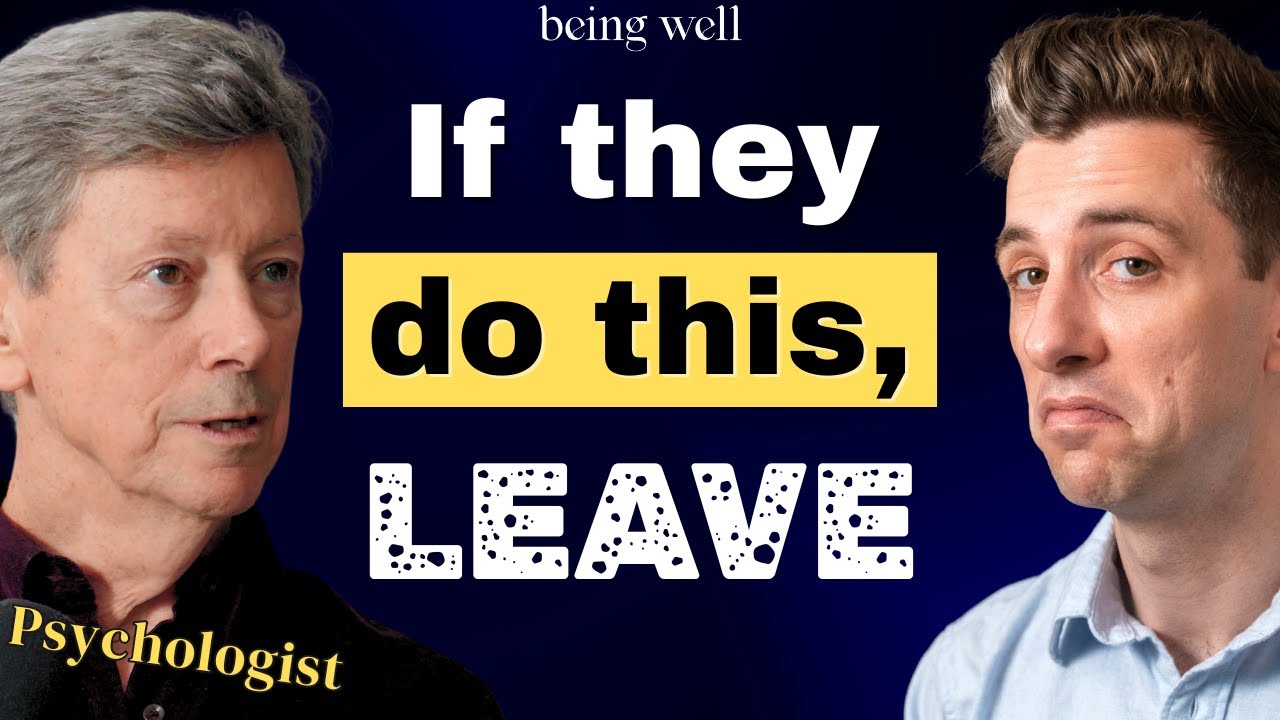
Why Good People Get Stuck in Bad Relationships |
 |
|
Dr. Rick and Forrest explore how to exit bad relationships, and why it can be so hard to do just that. Rick talks about how positive traits like empathy, loyalty, and a sense of duty can keep us stuck, and they then discuss common relationship red flags like lovebombing, cycles of idealization and devaluation, power imbalances, and what Forrest calls “the fuzz.” Finally, they talk about how people can increase their chances of a healthy exit. Other topics include developing self-trust, trauma-bonding, shame, and avoiding the cycle of “maybe next time they’ll…” |
| Check out the Episode |
|
|
|
|
|
|
NEW FROM THE WEDNESDAY MEDITATIONS + TALKS |
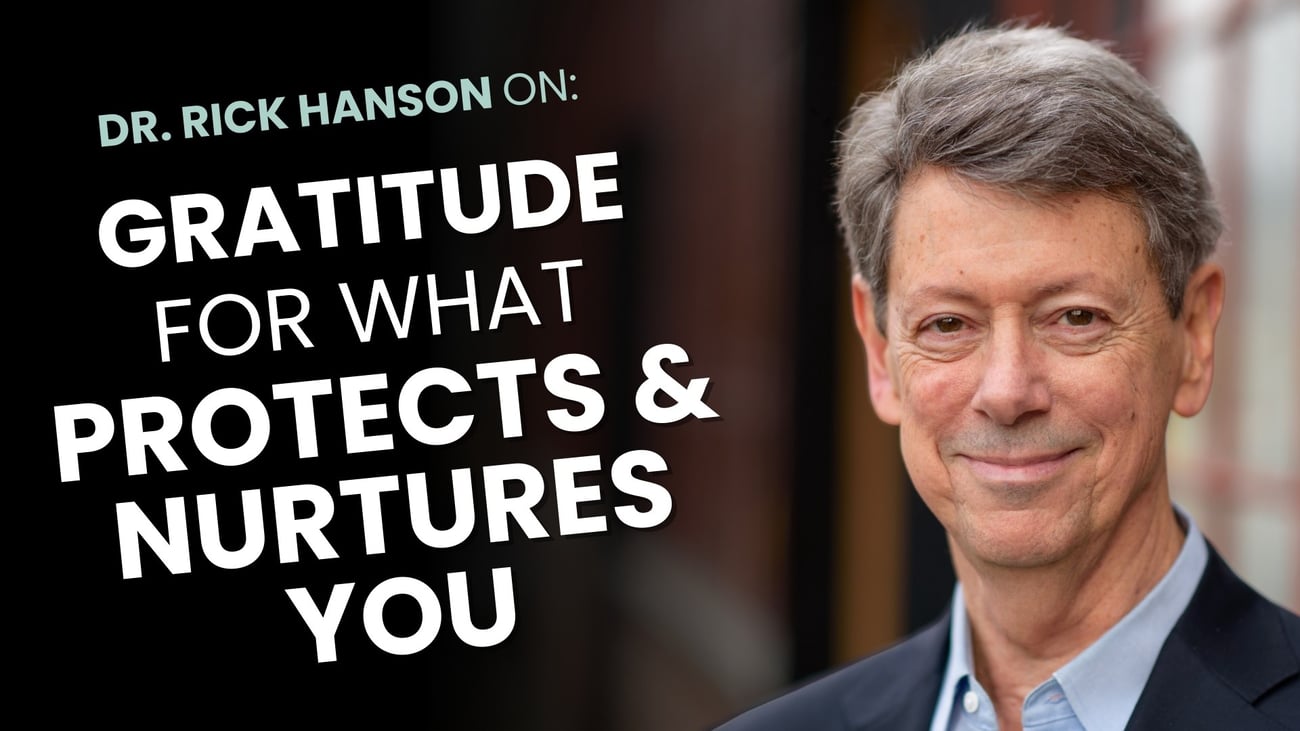
Thankfulness for What Protects and Nurtures You |
 |
|
Last week I offered a live meditation on 4 Steps to Inner Peace, followed by a talk on Thankfulness for What Protects and Nurtures You, and I hope you'll check it out.
If you haven't yet, sign up to join me every week for this free, live offering.
|
| Check It Out |
|
|
|
|
|
|
MORE GOOD STUFF |
|
|
|
SCIENCE NEWS (VIEW ARCHIVE HERE)
Astronomers have unveiled a breathtaking new radio image of our Milky Way galaxy, inviting us to pause in wonder at the vast, vibrant dance of stars being born, evolving, and fading into the cosmic tapestry.
|
|
|
|
FOR PARENTS
Parents profoundly influence the skills their children develop with getting what they want, the experiences and expectations they have around wanting, and the fundamental values and aims their children acquire. Therefore, skillfully responding to child wants are the foundation of a lifetime of success and satisfaction with our wishes, hopes, and dreams.
|
|
|
|
|
|
|
|
|
HAVE YOU READ IT YET? |
Resilient |
 |
|
Learn how to develop key inner strengths – like grit, gratitude, and compassion – to stay calm, confident, and happy no matter what life throws at you. Available in Hardcover, Paperback eBook, and Audiobook, wherever books are sold.
|
| Get Your Copy |
|
|
|
|
|
|
WORDS OF WISDOM |
"Since 'neurons that fire together, wire together,' time spent in the Responsive mode gradually strengthens its neural substrates - like deepening the keel of a boat so you can sail through life without its winds knocking you over." |
|
— RICK HANSON, PHD |
|
|
|
|
JUST ONE THING (JOT) is the free newsletter that suggests a simple practice each week for more joy, more fulfilling relationships, and more peace of mind. A small thing repeated routinely adds up over time to produce big results.
Just one thing that could change your life.
(© Rick Hanson, 2024) |
|
|
|
|
|
|
|
|


