|
Just One Thing |
|
|
|
Simple Practices for Resilience and Happiness from |
|
DR. RICK HANSON |
 |
|
|
|
Is it worth it? |
THE PRACTICE: |
Make Good Bargains. |
|
|
— Why? — |
|
Life is full of tradeoffs between benefits and costs.
Sometimes, the benefits are worth the costs. For example, the rewards of going for a run - getting out in fresh air, improving health, etc. - are, for me at least, worth the costs of losing half an hour of work time while gaining a pair of achy legs. Similarly, it could well be that: getting a raise is worth the awkwardness of asking for one; teaching a child good lessons is worth the stress of correcting her; and deepening intimacy is worth the vulnerability of saying "I love you."
But other times, the benefits are not worth the costs. For example, it might feel good to yell at someone who makes you mad - but at a big price, including making you look bad and triggering others to act even worse. There are indeed rewards in that third beer or third cookie - but also significant costs, including how you'll feel about yourself the next day.
We make a thousand choices a day, each one a bargain in which the brain weighs expected benefits against expected costs. Therefore, it's important to make good bargains, good choices, in which the real benefits are greater than the real costs.
Unfortunately, your brain lies to you all day long. (And to me and to everyone else.)
Here's why:
- The reward centers of the brain's limbic system evolved several hundred million years ago. Their relatively primitive processing pursues short-term gratification and basic sensual pleasures and inflates apparent rewards - all to get the inner bunny chasing the carrot. As a result, the brain routinely overestimates the benefits of things that are not that good for you, such as: consuming sugar, carbohydrates, and intoxicants; playing video games; buying more consumer goods; looking for love in all the wrong places; pounding home one's point; or being one-up in a relationship.
- Even more ancient fear centers see shadows under every bush, hyper-focus on apparent threats, and over-generalize from past uncomfortable experiences - all to get the inner iguana running from the stick. Consequently, your brain routinely overestimates the costs of things that are good for you, such as exercise, taking the time for well-being practices like meditation or prayer, going back to school, setting aside your own position to really understand someone else's, or exposing the soft underbelly of your deeper feelings.
Meanwhile, modern culture bombards us with the promise of inflated rewards - thicker hair! thinner thighs! - and the threat of exaggerated alarms: radioactive clouds coming this way! threat level orange!
So, let's stand up for the truth - and make better bargains. |
— How? — |
|
(To be sure, we can also make mistakes in the opposite direction, such as underestimating the benefits of getting more skillful at being a mate, or the long-term costs of global warming. But in this limited space, let's focus on the brain's bias toward overestimating the benefits of things that are bad - broadly defined - and the costs of things that are good.)
Try to be more aware of the little choices you make about what you will and will not do. Slow things down in your mind and unpack these bargains to be more aware of the anticipated benefits and costs that drive them.
Know your usual suspects - the "carrots" you chase to a fault, and the "sticks" you needlessly run from.
Pick a desire that's been an issue for you (e.g., food, drink, pulling for approval), and ask yourself: Are the expected benefits really that good? Try to imagine them in your body. How intense would they be, how long would they last? What price will you pay later? Are there better ways to get these benefits? Are there better benefits to be found pursuing other aims?
Also pick something that's been a block for you (e.g., public speaking, asserting yourself in love or work, pursuing a lifelong dream), and ask yourself: Are the expected costs really that bad? Truly, how uncomfortable would you actually be, how long would it really last - and how could you cope? Would you survive the experience? How would you feel about yourself, finally pushing through this fear? What other rewards would come to you?
Now, take two calculated risks - and see what happens: stop chasing some hollow and costly carrot, plus take some positive action you've over-feared, no longer fleeing a paper tiger. Notice that these are much better bargains! Open to and really feel the positive experiences you have earned. Link these good feelings to the specific steps you've taken, and to the general practice of being more conscious and realistic about benefits and costs. |
| Read this Online |
|
Know someone who could make better bargains? |
|
|
|
Share this Just One Thing practice with them! |
|
Share on Facebook | Tweet on X | Forward this Email |
|
|
|
|
|
|
NEW ON THE BEING WELL PODCAST |
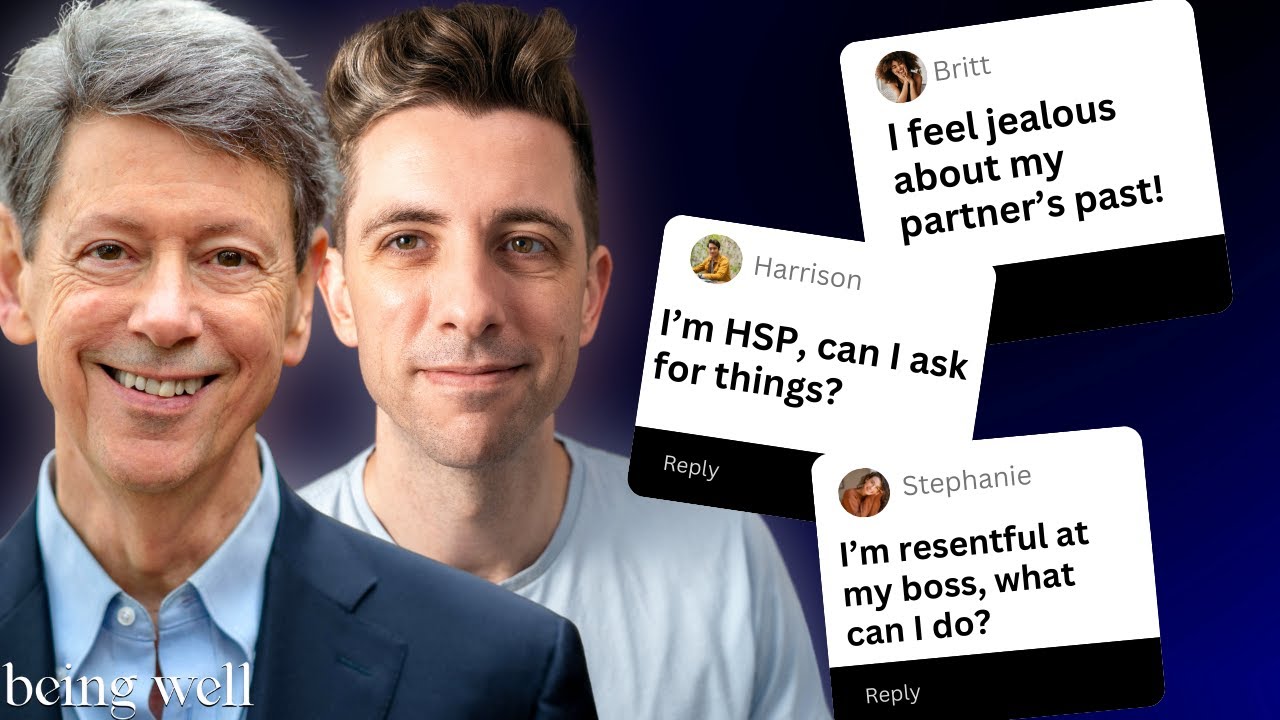
Resentment, Situationships, and Highly Sensitive People: December Mailbag |
 |
|
Dr. Rick and Forrest open up the mailbag to answer listener questions about resentment, highly sensitive people, situationships, and expanding the window of tolerance. In the first three questions, they explore how resentment shows up across different relationships, including with coworkers, family members, and romantic partners. They discuss when to speak up, when to let go, and the underrated options in between. They then talk about agency, self awareness, and the expectations of others through two questions about highly sensitive people and building tolerance for discomfort. They close with a surprise bonus question for Forrest from Dr. Rick. |
| Check out the Episode |
|
|
|
|
|
|
NEW FROM THE WEDNESDAY MEDITATIONS + TALKS |
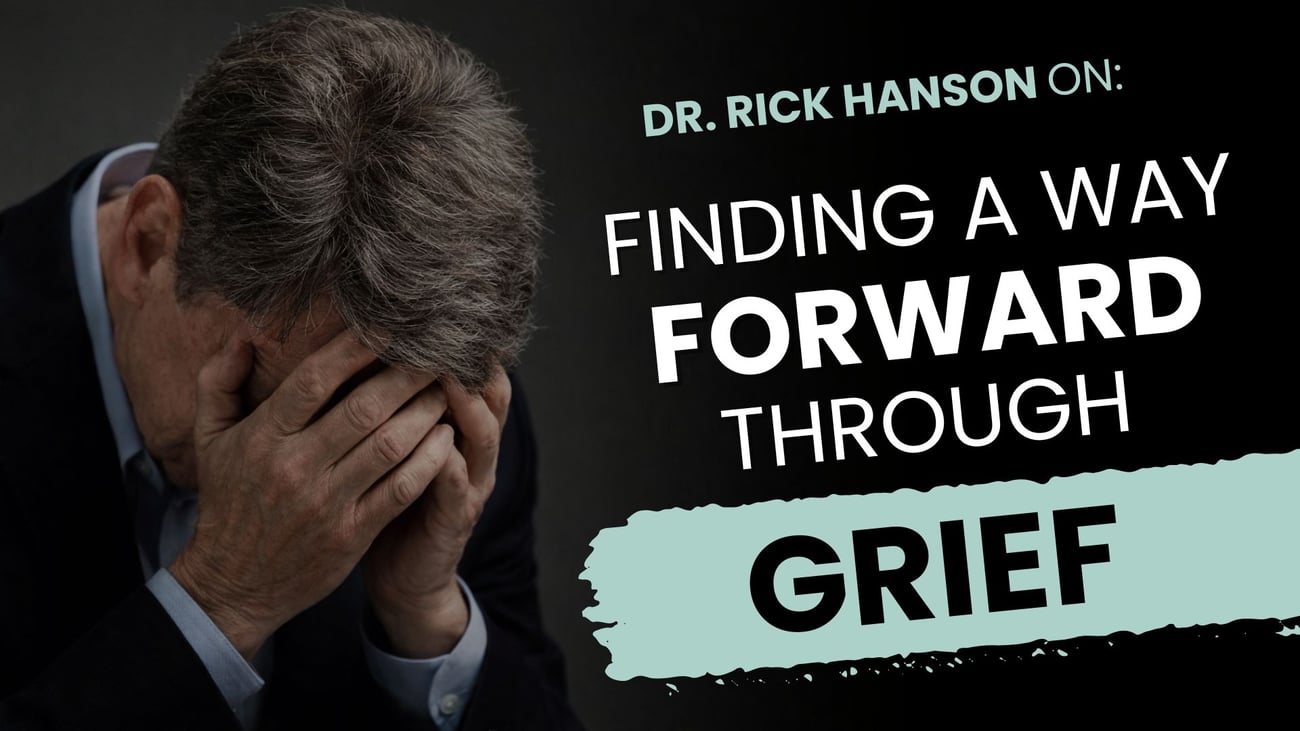
Finding a Way Forward through Grief |
 |
|
Last week I offered a live meditation on Resting in Open Awareness, followed by a talk on Finding a Way Forward through Grief, and I hope you'll check it out.
If you haven't yet, sign up to join me every week for this free, live offering.
|
| Check It Out |
|
|
|
|
|
|
HAVE YOU READ IT YET? |
Resilient |
 |
|
Learn how to develop key inner strengths – like grit, gratitude, and compassion – to stay calm, confident, and happy no matter what life throws at you. Available in Hardcover, Paperback eBook, and Audiobook, wherever books are sold.
|
| Get Your Copy |
|
|
|
|
|
|
WORDS OF WISDOM |
"Know your usual suspects - the "carrots" you chase to a fault, and the "sticks" you needlessly run from." |
|
— RICK HANSON, PHD |
|
|
|
|
JUST ONE THING (JOT) is the free newsletter that suggests a simple practice each week for more joy, more fulfilling relationships, and more peace of mind. A small thing repeated routinely adds up over time to produce big results.
Just one thing that could change your life.
(© Rick Hanson, 2024) |
|
|
|
|
|
|
|
|