|
|
MindFull of GOOD |
 |
|
Dr. Rick Hanson's Occasional Collection of Good, Free Stuff |
|
|
|
NEW ON THE BEING WELL PODCAST: |
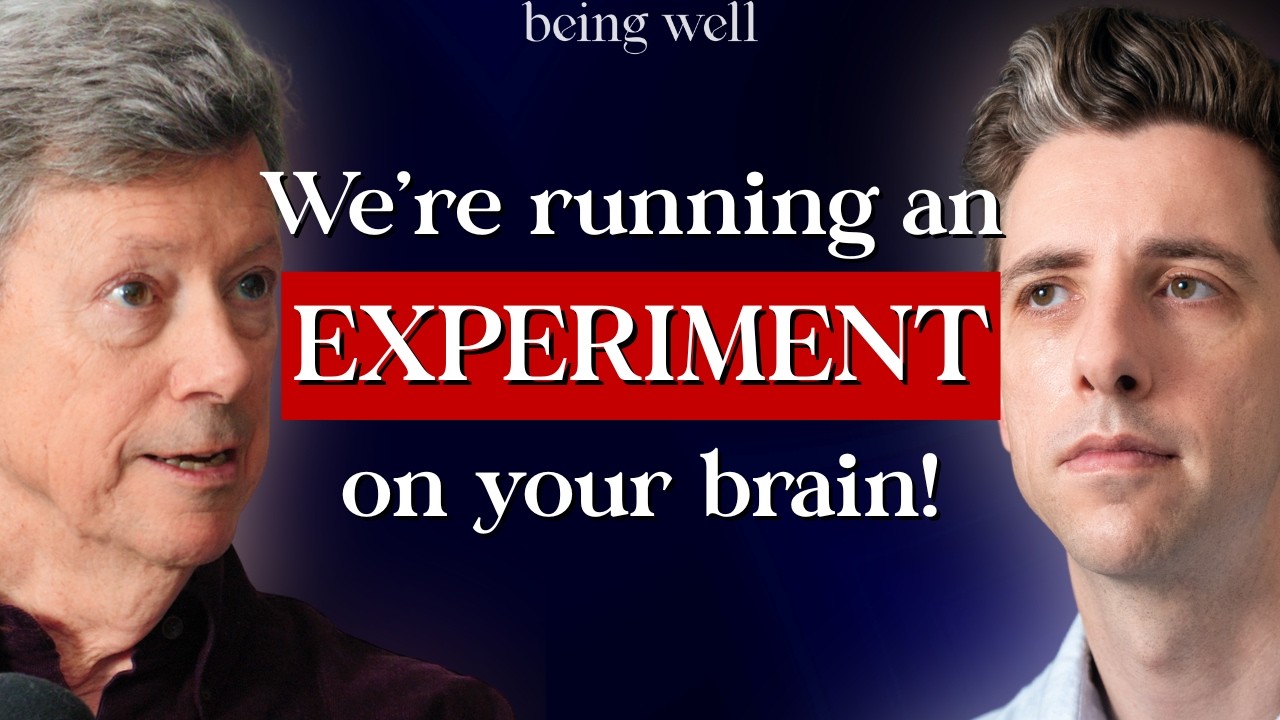
The Freeze-Shame Loop, Therapy Speak, and “Everyone Has ADHD”: February Mailbag |
 |
|
"On the whole, pain is way overrated as a motivator, because it carries with it a lot of collateral damage."
— DR. RICK HANSON |
|
Dr. Rick and Forrest answer listener questions about the freeze state, ADHD, and power imbalances in relationships. First, they talk about how to deal with feelings of shame associated with the freeze state, emphasizing how we can “be with” in order to “work with.” Then they tackle a tricky question about how psychoeducation can complicate relationships. Next up, they discuss whether rates of ADHD have actually increased, and the differences between “real” ADHD vs. symptoms of screen addiction. Finally, they talk about how to think about the right fit with a therapist. |
| Watch/Listen to the Full Episode |
|
|
|
|
|
|
FREE ONLINE EXPERIENCE: |
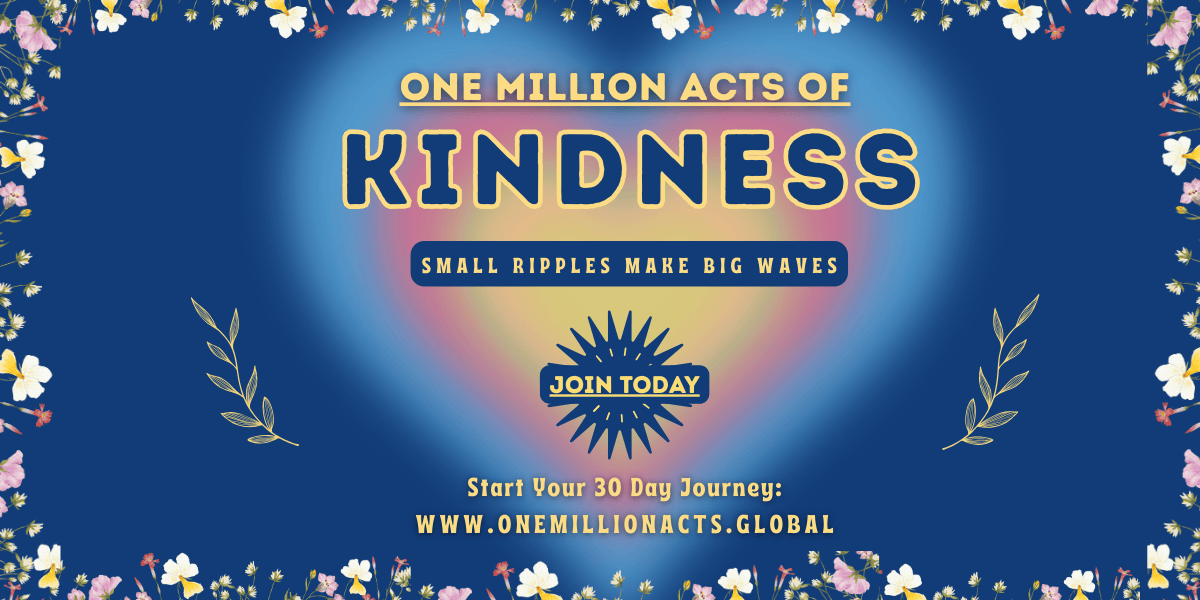
One Million Acts of Kindness |
 |
|
You may have heard me mention how, drop by drop, we can fill ourselves up with good. The same applies to small acts of kindness doing a lot of good in the world, when we get a lot of people committing to it. And that's the goal of this free initiative from the Global Compassion Coalition. You can start anytime in March, and help contribute to our goal of hitting One Million acts of Kindness. I really hope you'll join me!
|
| Register for FREE |
|
|
|
|
|
|
NEW FROM THE WEDNESDAY TALK/MEDITATION: |
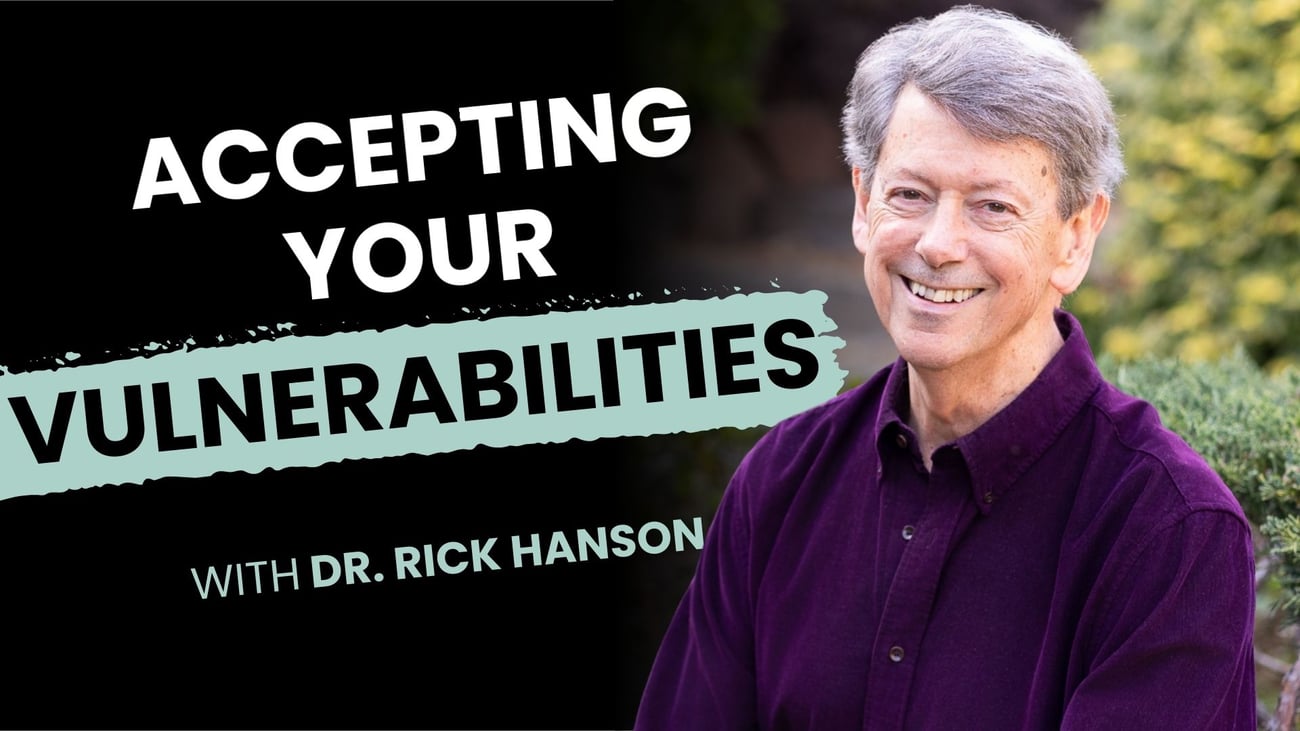
Accepting Your Vulnerabilities – Including from Early Childhood |
 |
|
Sometimes we try to open up or soften, but we don’t feel safe enough inside to do it. Our nervous system holds armor — bracing against vulnerability, against the truth that life includes aging, illness, loss, and uncertainty.
This is definitely something I’ve experienced, so this week I explore how to resource yourself first — to feel steady enough to lower your guard — and how vulnerability itself can become a doorway into peace, love, and freedom. When we stop compensating for old wounds and instead welcome our vulnerability with compassion, we discover something deeper that was never wounded at all. |
| Check out the Talk & Meditation |
|
|
|
|
|
|
ALSO NEW ON THE BEING WELL PODCAST: |
Codependency and Healthy Dependency with Nedra Glover Tawwab |
 |
|
Protect your peace, set boundaries, don’t let people drain your energy…there’s a lot of advice like that, and it’s easy to take it a little too far. In this episode, therapist and bestselling author Nedra Glover Tawwab joins Forrest to discuss the unintended consequences of the boundaries movement.
|
| Watch/Listen to the Full Episode |
|
|
|
|
|
|
FREE SUMMIT: |
Trauma, Attach(e)ment & Resilience Summit |
 |
|
I’m excited to share that I’ll be presenting at Quantum Way’s 2026 Trauma, Attach(e)ment & Resilience Summit, running from March 18 to April 1. This FREE event brings together leading voices in trauma treatment and nervous system–informed care through talks, conversations, and practical exercises designed to support learning and real-world application.
|
| Register for FREE |
|
|
|
|
|
|
ASK RICK: |
Why do people 'beat themselves up'? Does it serve any hidden purpose? I read that a person can become fearful forever after they experience fear because of someone’s anger. What process is behind that? |
 |
|
I think people beat themselves up – which is different from healthy guidance of oneself (which includes appropriate winces of remorse or shame) – for two reasons: too much inner attacking, and too little inner nurturance. These two forces in the mind are out of balance. Why? Multiple reasons, including individual differences in temperament (some people are more prone to anxiety or grumpiness). But for most people the primary sources are what they have internalized (especially as a child) from their family, peers, and culture. Then, once harsh self-criticism has been internalized along with insufficient internalization of self-nurturance, beating oneself up can take on a life of its own, both as simply a habit and as a way (that goes much too far, at considerable cost) to avoid the possibility of making mistakes or looking bad in front of others.
Whole networks of neurons and related and complex physical processes (e.g., neurotransmitter activity, epigenetic processes) are the basis for acquiring fears, including because a person has been on the receiving end of much anger from others.
|
|
"In other words, learning occurs: emotional, social, somatic, motivational, attitudinal learning: enduring changes in neural structure or function due to a person’s experiences." |
|
Check out Joseph LeDoux and the learning of anxiety and fear.
The amygdala also flags experiences as personally relevant, with a bias in most people’s brains toward flagging what is negatively relevant. Then the hippocampus gets involved, tagging that relevant experience for storage. (I’m simplifying a complex process, that also involves other circuitry in the brain.) The amygdala and hippocampus have receptors for various neurochemicals, including oxytocin, and over time these subcortical parts of the brain (two of each, on either side of the brain) can be modified by our experiences; in effect, they “learn,” too. |
|
|
|
|
RICK'S PICK: |
MELLOW: A Meditation Road Trip |
|
|
|
On World Meditation Day 2025, Billy Rosenbeck of Mellow Elephant led ten meditations in ten surprising places — showing that mindfulness can flourish anywhere. You can really feel that spirit in the upcoming documentary's trailer, which is well worth a look. |
|
|
|
|
|
|
MindFull of Good is a free newsletter that highlights new and free content from Dr. Rick Hanson and the Being Well Podcast as well as other free offerings to fill yourself up with good. |
|
|
|
|
|
|
|
|
|
|