|
Just One Thing |
|
|
|
Simple Practices for Resilience and Happiness from |
|
DR. RICK HANSON |
 |
|
|
|
|
The world is a lot right now. So if you've been struggling with anxious thoughts, chronic worries, fear, stress, or overwhelm, that's really understandable. And that's why I've decided to offer my NEW, upcoming course to Rewire Your Anxious Brain. It starts this Saturday and includes weekly LIVE calls with me, weekly live discussion groups with trained teachers, home practices, handouts, and email encouragement. This is the most interactive, supportive course I've ever put together - because we could all use some extra support and positive connection these days. I hope you'll join me - and you can use coupon code JOT10 to get 10% off. Click here to learn more. |
|
|
|
What are you saying? |
THE PRACTICE: |
Speak Wisely. |
|
|
— Why? — |
|
"Sticks and stones can break my bones, but words will never hurt me."
Ah, not really.
Often it's words - and the tone that comes with them - that actually do the most damage. Just think back on some of the things that have been said to you over the years - especially those said with criticism, derision, shaming, anger, rejection, or scorn - and the impacts they've had on your feelings, hopes and ambitions, and sense of yourself.
Words can hurt since the emotional pain networks in your brain overlap with physical pain networks. (The effects of this intertwining go both ways. For example, studies have shown that receiving social support reduces the perceived intensity of physical pain, and - remarkably - that giving people Tylenol reduced the unpleasantness of social rejection.)
Besides their momentary effects, these hurts can linger - even for a lifetime. The residues of hurtful words sift down into emotional memory to cast long shadows over the inner landscape of your mind.
Plus they can alter a relationship forever. Just think about the ripple effects of things said between parents and children, from one sibling to another, or among in-laws. Or between friends. For example, a good buddy once castigated me morally when we disagreed politically. We tried to talk it through, but the fact that he showed he could indeed go to that place led me to take a step a back; we're still friends, but our relationship is smaller now since I steer clear of some major subjects.
So do what you can to protect yourself from hurtful words from others. Prevent them in the first place, if possible, by "talking about talking" with others (perhaps share the guidelines below). If that doesn't work, try to see the underlying pain and needs that could have triggered them to "let'er rip," put their words in perspective, turn toward resources in yourself and in your true friends, and shift the size or nature of the relationship if that's appropriate (and possible).
And on your own side of the street - my subject in this JOT, because you have much more influence over yourself than you have over others - speak wisely. |
— How? — |
|
I've gotten a great deal of personal value from six guidelines offered 2500 years ago by the Buddha; you'll recognize their essence - sometimes expressed in the same words - in other traditions or philosophies.
From this perspective, wise speech always has five characteristics. It is:
- Well-intended - Comes from goodwill, not ill will; constructive; aimed to build up, not tear down
- True - Not overstated, taken out of context, or blown-up out of proportion
- Beneficial - Helps things get better, not worse (even if it takes a while)
- Timely - Not driven by impulsivity; rests on a foundation that creates a good chance of it being truly heard
- Not harsh - It could be firm, pointed, or intense; it could confront mistreatment or injustice; anger could be acknowledged; but it is not prosecutorial, nasty, inflammatory, dismissive, disdainful, or snarky.
And if possible, it is:
- Wanted by the other person - If they don't want to hear it, you may just not need to say it; but there will be other cases when you need to speak for yourself whether the other person likes it or not - and then it's more likely to go well if you follow the first five guidelines.
Of course, there is a place for talking loosely with others when it's comfortable to do so. And realistically, in the first moments of an argument, sometimes people stray out of bounds.
But in important, tricky, or delicate interactions - or as soon as you realize you've gone over the line - then it's time to communicate with care, and with wisdom. The six guidelines do not guarantee that the other person will respond the way you want. But they will raise the odds of a good outcome, plus you will know in your heart that you stayed in control of yourself, had good intentions, and have nothing to feel guilty about later.
Reflect on the six guidelines as you consider how to approach an important conversation. Then, be natural: if you simply speak from your heart, have good intentions, and keep returning to the truth as you know it, it is hard not to speak wisely! If things get heated, stay grounded in wise speech; be clear in how you speak your own responsibility, no matter what the other person does. If you stray from the guidelines, acknowledge that to yourself, and perhaps to the other person.
With time and a little practice, you will find yourself "speaking wisely" without consciously thinking about it. You might be amazed at the powerful, assertive ways you can communicate within the frame of the six guidelines; consider the well-known examples of Gandhi, Mother Teresa, and Dr. Martin Luther King, Jr.
And - for a little bonus here - how about practicing wise speech in the way you talk to yourself?! |
| Read this Online |
|
Know someone who could use more wise speech? |
|
|
|
Share this Just One Thing practice with them! |
|
Share on Facebook | Tweet on X | Forward this Email |
|
|
|
|
|
|
NEW ON THE BEING WELL PODCAST |
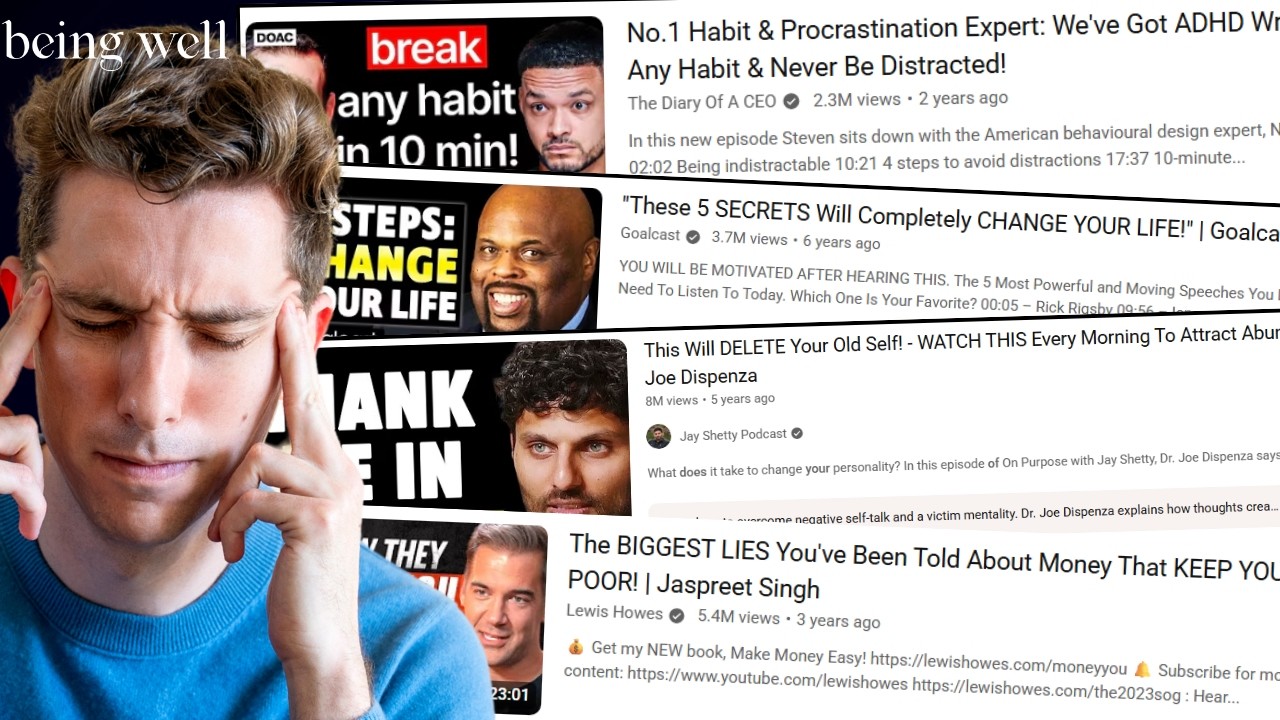
The Attention Economy: How Self-Help Drifts Away from Science |
 |
|
Forrest and Dr. Rick explore how well-intentioned self-help advice can drift away from science under the incentives of the attention economy, where overclaiming, alarmist framing, and "this one simple trick" outperforms nuance. They talk about how authority gets manufactured, how the algorithm encourages overclaiming, and how "theories of everything" lead to misinformation. Dr. Rick and Forrest discuss whether seemingly harmless pseudoscientific practices can create a slippery slope, lowering the importance of material evidence and acting as an on-ramp to more consequential misinformation. |
| Check out the Episode |
|
|
|
|
|
|
NEW FROM THE WEDNESDAY MEDITATIONS + TALKS |
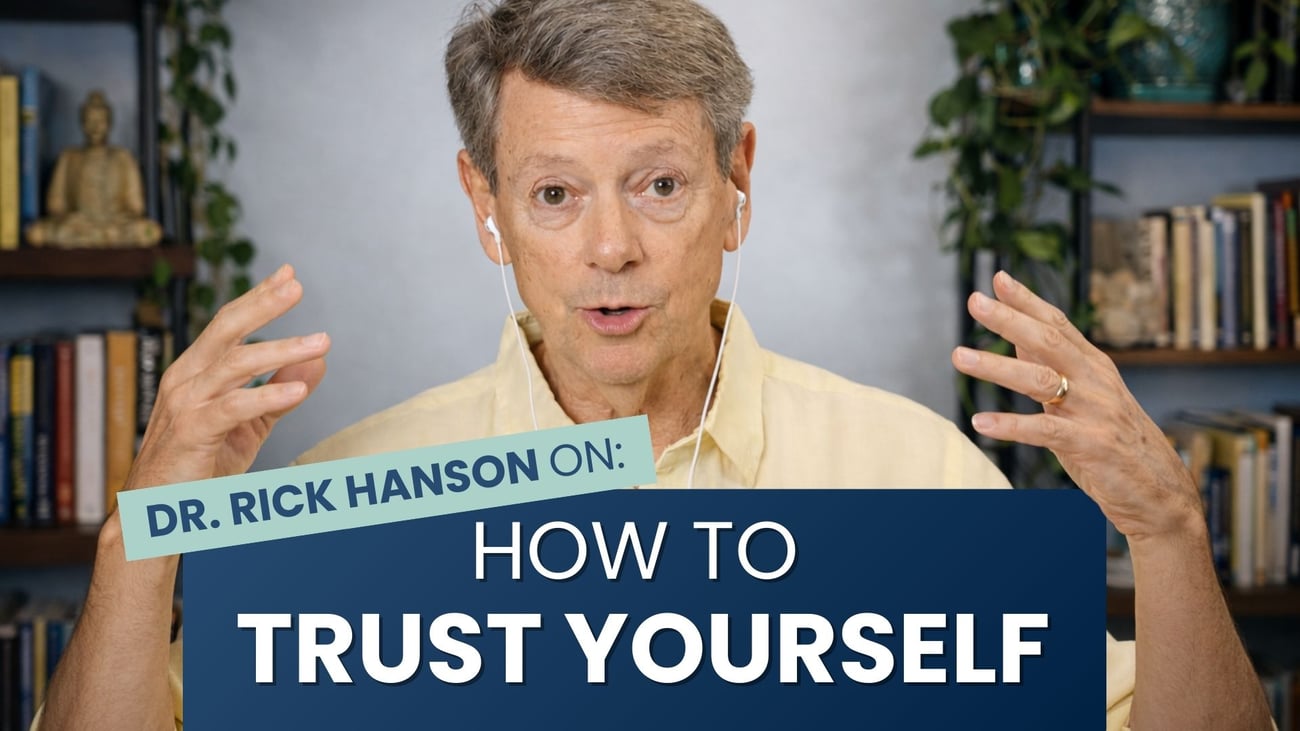
How to Trust Yourself |
 |
|
Last week I offered a live meditation on Mindfulness of Breathing – the Buddha's Foundation Instructions, followed by a talk on How to Trust Yourself, and I hope you'll check it out.
If you haven't yet, sign up to join me every week for this free, live offering.
|
| Check It Out |
|
|
|
|
|
|
MORE GOOD STUFF |
|
|
|
SCIENCE NEWS (VIEW ARCHIVE HERE)
Veronika the cow is adding bovines to the growing list of animals who display intelligence beyond what was previously thought with the use of her back-scratching "tool."
|
|
|
|
FOR PARENTS
Under the press of everything you have to do as a parent, combined with feeling tired and frazzled, it's only natural to feel a little distant from your mate. But as the saying goes, "love is a verb," which means that an intimate relationship ultimately rests on how we act toward our partner. Often it's very small things that make a big difference.
|
|
|
|
|
|
|
HAVE YOU READ IT YET? |
Resilient |
 |
|
Learn how to develop key inner strengths – like grit, gratitude, and compassion – to stay calm, confident, and happy no matter what life throws at you. Available in Hardcover, Paperback eBook, and Audiobook, wherever books are sold.
|
| Get Your Copy |
|
|
|
|
|
|
WORDS OF WISDOM |
"If you simply speak from your heart, have good intentions, and keep returning to the truth as you know it, it is hard not to speak wisely!" |
|
— RICK HANSON, PHD |
|
|
|
|
JUST ONE THING (JOT) is the free newsletter that suggests a simple practice each week for more joy, more fulfilling relationships, and more peace of mind. A small thing repeated routinely adds up over time to produce big results.
Just one thing that could change your life.
(© Rick Hanson, 2024) |
|
|
|
|
|
|
|
|