|
|
|
NEW FROM THE WEDNESDAY TALK/MEDITATION: |
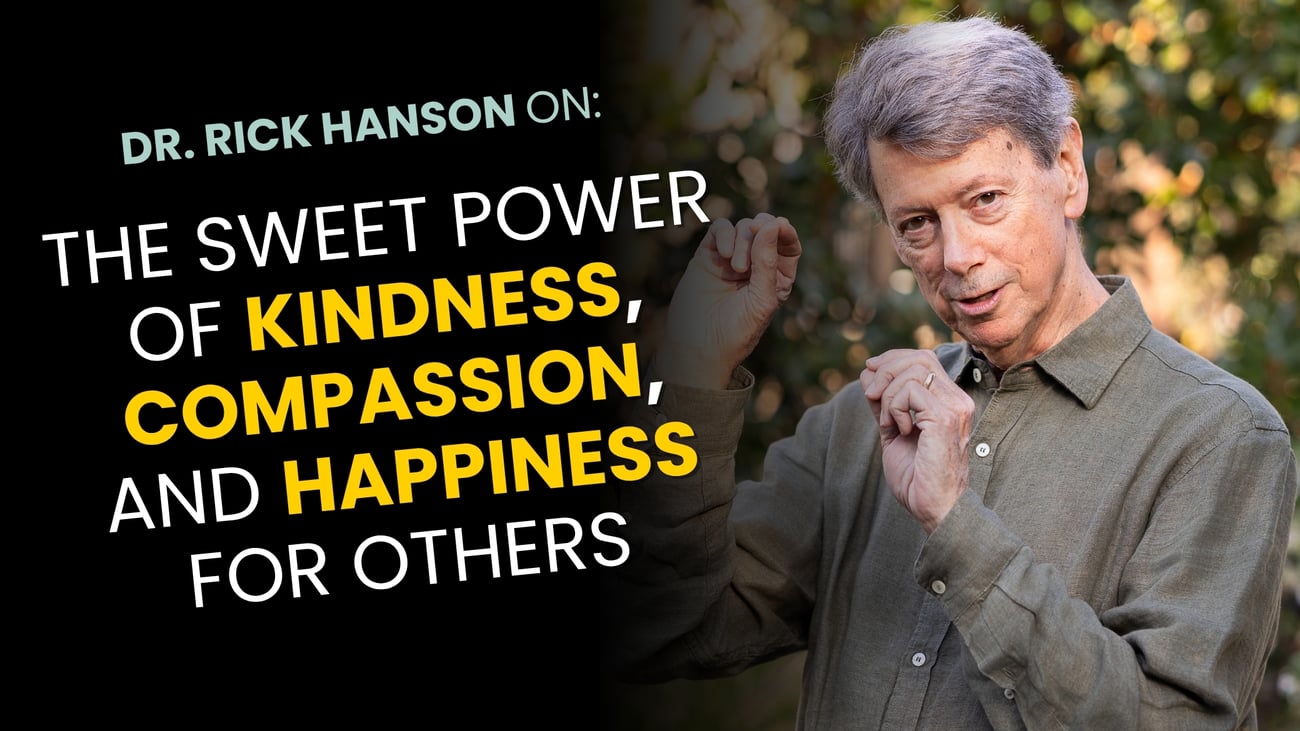
The Sweet Power of Kindness, Compassion, and Happiness for Others |
 |
|
We often think of kindness and compassion as gifts we offer other people. But what if they were also among the most powerful ways to heal ourselves?
In this talk, I explore three transformative qualities of the heart—kindness, compassion, and joy for others—and how intentionally cultivating them can reduce suffering, build resilience, and gradually become part of who we are. Along the way, we’ll look at practical ways to bring these qualities into difficult relationships without pretending, bypassing, or sacrificing healthy boundaries. |
| Check out the Talk & Meditation |
|
|
|
|
|
ALSO NEW ON THE BEING WELL PODCAST: |
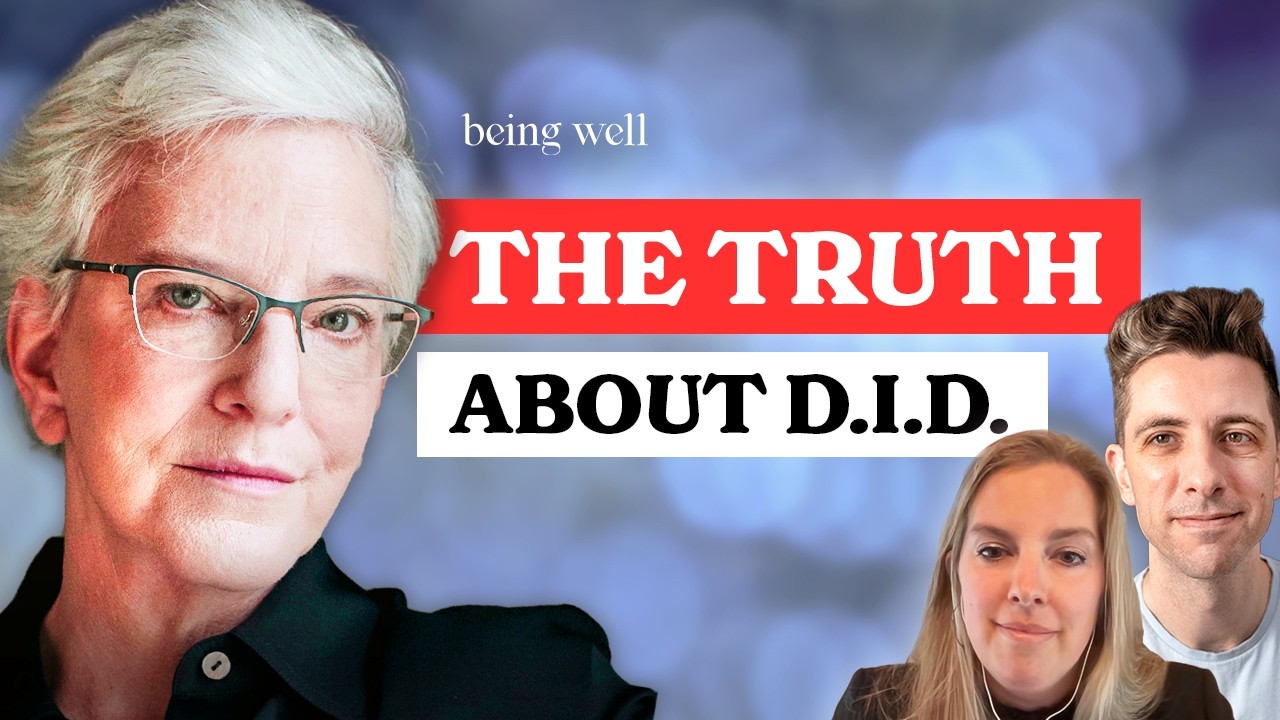
Understanding Dissociation and DID: What It’s Really Like, and How People Recover w/ Dr. Milissa Kaufman and Dr. Lauren Lebois |
 |
|
Most of what people know about Dissociative Identity Disorder (DID) comes from movies and short videos, and those media portrayals often have little to do with what DID is actually like. To get the real picture, Forrest is joined by Dr. Milissa Kaufman and Dr. Lauren Lebois, experts in dissociative disorders and trauma research.
|
| Watch/Listen to the Full Episode |
|
|
|
|
|
ASK RICK: |
How does lasting psychological growth or change actually happen in the brain? |
 |
|
If the brain is not changed by an experience someone is having in school or at home, or therapy or mindfulness training, then . . . . . there is no learning, no development, no lasting benefit.
It's humbling to face this fact . . . and empowering to start engaging our beneficial experiences in ways that produce durable neurological change.
The key is states (of being, e.g., thoughts, feelings) --> traits (= lasting characteristics such as resilience, confidence, happiness).
We have a sacred power within our own minds to turn states into traits. No one can stop us from using this power. And no one can do it for us. It is our opportunity, and responsibility, to shape who we are becoming.
And for the science behind all this, see my paper, Learning to Learn from Positive Experiences.
|
|
|
|
|
How to Start (and Run) a Bank That Puts People and Planet Over Profits |
|
|
|
A more values-driven approach to banking can reshape how money supports communities, sustainability, and long-term well-being - and this story explores practical ways to align finance with people and planet. |
|
|