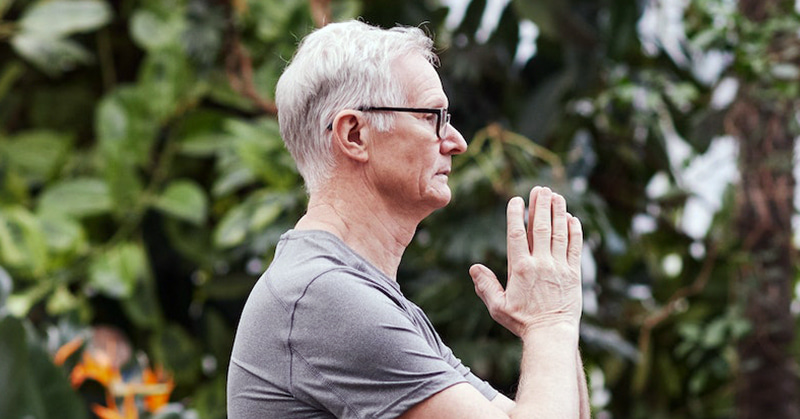
Be Mind Full of Good. |
Quick note: It's so easy to get sucked into negative thoughts or old patterns - but as I mention in the JOT this week, it is possible to lean more toward the good. And in my upcoming Changing Your Mind course I teach you how to do that in 4 specific areas of your life. |
|
It's kind of amazing: right now, what you think and feel, enjoy and suffer, is changing your brain. The brain is the organ that learns, designed by evolution to be changed by our experiences: what scientists call experience-dependent neuroplasticity.
Neurons that fire together, wire together. This means that each one of us has the power to use the mind to change the brain to change the mind for the better. To benefit oneself and other beings.
Using this internal power is more important than ever these days, when so many of us are pushed and prodded by external forces - the economy, media, politics, workplace policies, war on the other side of the world, the people on the other side of the dining room table - and by our reactions to them.
Life is often hard. To cope with hard things, to be effective and successful, or simply to experience ordinary well-being, we need resources inside, inner strengths like resilience, compassion, gratitude, and other positive emotions, self-worth, and insight.
Some strengths are innate - built into your DNA - but most are acquired, woven over time into the fabric of your brain. These lasting traits come from passing states - experiences of inner strength - that get installed into the brain. You become more grateful through internalizing repeated experiences of gratitude; you become more compassionate through internalizing repeated experiences of compassion; etc.
So far, so obvious. But here's the catch: without this installation - without the transfer of the experience from short-term memory buffers to long-term storage - beneficial experiences such as feeling cared about are momentarily pleasant but have no lasting value. Yikes! There is no learning, no growth, no change for the better.
Meanwhile, your brain is rapidly and efficiently turning unpleasant, negative experiences - feeling frazzled, stressed, worried, frustrated, irritated, inadequate, hurt, etc. - into the neural structure. To help our ancestors survive in harsh conditions, the brain evolved a negativity bias that makes it good at learning from bad experiences but relatively bad at learning from good ones - even though learning from good experiences is the main way to grow the inner strengths we all need.
In effect, today our brains have a well-intended, universal learning disability because they've been painstakingly built over millions of years for peak performance . . . in Stone Age conditions.
Most of us are pretty good at having beneficial experiences - but pretty bad at installing them in the brain. Similarly, most therapists, mindfulness teachers, coaches, parents, and human resources trainers are pretty good at encouraging beneficial experiences in others, but pretty bad at helping them get installed in those brains; this was certainly true for me.
In effect, most beneficial experiences are wasted most of the time. The result is a learning curve, a growth rate, that is a lot flatter than it needs to be.
Poignantly, because we are not internalizing most of our wholesome, beneficial experiences - authentic moments of feeling relaxed, capable, peaceful, glad, successful, contented, appreciated, loved, and loving - we feel emptier inside than we truly deserve to feel. And we become a lot easier to manipulate by fear, consumerism, and "us vs. them" conflicts.
What can we do?
We can use the mind to change the brain for the better. |
So, how do you do it? |
|
Here's the essence: Have It, Enjoy It.
In other words, have a beneficial experience in the first place - usually because you simply notice one you are already having: you're already feeling a bit of ease, relief, pleasure, connection, warmth, determination, confidence, clarity, hope, etc. And it's fine to create beneficial experiences, such as deliberately thinking of things you feel thankful for, or calling up compassion for someone in pain, or recalling how it felt in your body to assert yourself with someone who was being pushy.
Then, once you've got that good experience going, really enjoy it: taking 5, 10, or more seconds to protect and stay with it, and open to it in your body. The longer and more intensely those neurons fire together, the more they'll be wiring this inner strength into your brain.
This is positive neuroplasticity, the essence of self-reliance: taking in everyday experiences to develop more inner strengths such as grit, confidence, kindness, emotional balance, happiness, patience, and self-awareness.
I don't believe in positive thinking. You're not overlooking the pains, losses, or injustices in life. I believe in realistic thinking, seeing the whole mosaic of reality, the good, the bad, and the neutral. Precisely because life is often hard - and because we've got a brain that's relatively poor at growing the inner strengths needed to deal with these challenges - we need to focus on the good facts in life, let them become good experiences, and then help these experiences really sink in.
Most of the time you take in the good will be in the flow of life, maybe half a dozen times a day, usually less than half a minute at a time. You can also use more structured moments, such as at meals, after exercising or meditation, or just before bed.
Besides being more open in general to beneficial experiences, you can look for those specific experiences that will grow the particular inner strength(s) that will help you the most these days. For example, if you're feeling anxious, look for authentic opportunities to feel supported, protected, resourced, tough-minded, relaxed, or calm. If life feels disappointing or blah, look for the genuine facts that naturally support experiences of gladness, gratitude, pleasure, accomplishment, or effectiveness. If you feel lonely or inadequate, look for the real occasions when you are included, seen, appreciated, liked, or loved - and open to feeling appropriately cared about, and valued; also look for chances to feel caring for yourself, since love is love whether it is flowing in or flowing out.
Our beneficial experiences are usually mild - a 1 or 2 on the 0-10 scale of intensity - but they are real. Any single time you let these experiences really land inside you won't change your life. But much as a cup of water is filled drop by drop, you'll be changing your brain synapse by synapse for the better - and your life for the better as well.
And with a mind full of good, you'll have more to offer others. Growing the good in them, too, in widening ripples seen and unseen, perhaps reaching eventually around the whole world. |
| Read This Online |
|
Share on Facebook | Forward this Email |
|
|
|
|
|
|
MORE GOOD STUFF |
|
|
How to Stop Ruminating
Even when nothing is particularly wrong, the mind can keep generating something else to want, solve, compare, worry about, or figure out. All that mental activity can be exhausting—and it can keep us from recognizing the contentment and peace that are already available. In this talk, I explore an early Buddhist teaching on papañca—the mind’s tendency to proliferate—and how we can gradually step out of all that chasing.
What feeds a busy mind? Craving, comparison, and getting caught up in views – but we can make a beautiful progression from that to virtue and gladness into joy, tranquility, contentment, and steadiness of mind. And we can help these beneficial states sink into the body and gradually become more lasting traits.
Check it out here | Join the Wednesday Talks for Free
|
|
|
FROM SUBSTACK: What Is Your Mind Actually Made Of?
Here’s a question I love, because it sounds abstract at first and then turns out to be extremely practical: what’s the difference between your brain and your mind?
In a nutshell, the brain is the meat. It’s gushy; it’s physical; it’s made of matter and energy together—three pounds or so of tissue, sitting in the dark inside your skull, doing its work.
Read more | Subscribe to My Substack
|
|
|
SCIENCE NEWS: Your Dreams Aren’t Random: Your Brain Is Rewriting Reality.
Your dreams may be doing far more than just entertaining your sleeping mind - they could be your brain quietly reorganizing memory, emotion, and experience in a way that might reveal something meaningful about how reality gets processed.
(View the Science News Archive)
|
|
|
FOR PARENTS: Dealing with Summertime Stress
Our siblings are usually the people we know longest in this life, but it’s striking how many people have distant, even hostile relations with their brothers and sisters. Family tensions related to sibling rivalries wear on parents individually, and sometimes can challenge their marriage – so it’s important to tackle them in steady, systematic ways.
|
|
|
|
|
|
|
NEW BOOK AVAILABLE FOR PREORDER |
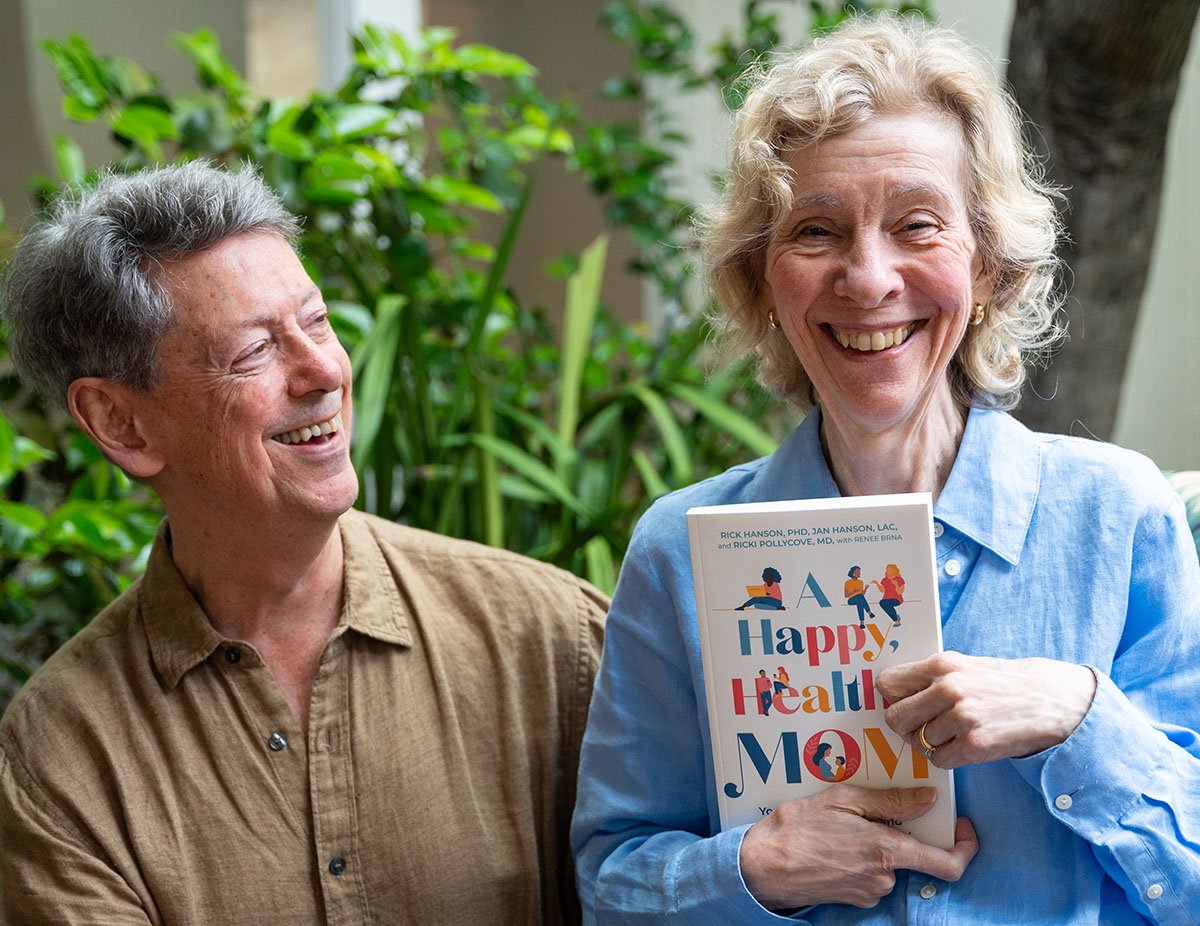
A Happy, Healthy Mom |
 |
|
We wrote this book for moms who feel exhausted, overwhelmed, or stretched too thin during the early years of raising a child. My wife Jan (a nutrition expert), friend Ricki Pollycove (a gynecologist-obstetrician), and I hope this will help moms reconnect to their own needs, restore their energy, reduce stress, and feel more supported — physically and emotionally. If you're a mom - or know one who could use some more support, I hope you'll check it out!
|
| Preorder Your Copy |
|
|
|
|
|
|
NEW ON THE PODCAST |
|
|
|
EPISODE 483:
We all understand the emotional impact of grief, but its effects on the body are often overlooked. Forrest is joined by clinical psychologist and researcher Dr. Mary-Frances O’Connor to explore the physiology of grief and how to heal after loss. |
|
> Listen Now |
|
|
|
|
JUST ONE THING (JOT) suggests a simple practice each week for more joy, more fulfilling relationships, and more peace of mind. A small thing repeated routinely adds up over time to produce big results.
Just one thing that could change your life.
(© Rick Hanson, 2026) |
|
|
|
|
|
|
|
|