|
|
MindFull of GOOD |
 |
|
Dr. Rick Hanson's Occasional Collection of Good, Free Stuff |
|
|
|
NEW ON THE BEING WELL PODCAST: |
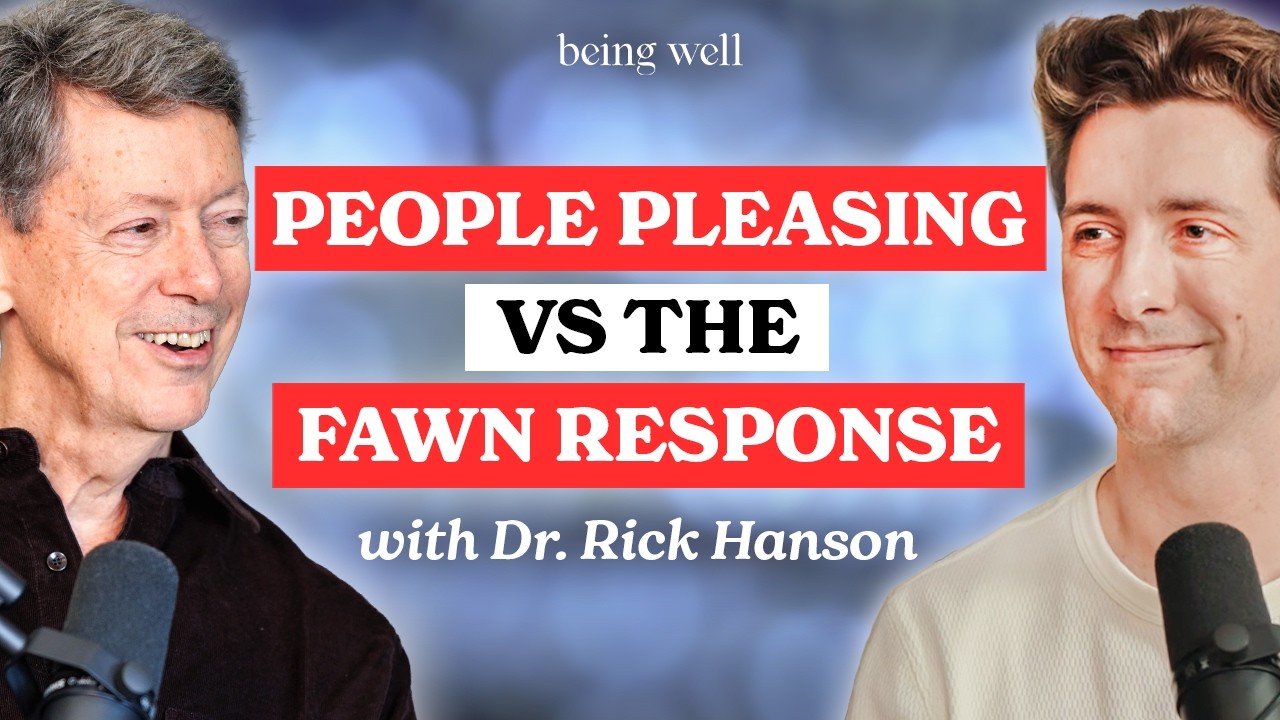
People Pleasing vs. Fawning: Why We Do It and How to Change |
 |
|
"When we appease, when we please, when we fawn, we are both expressing certain behaviors, and we're pushing to the side other feelings and other desires. So what gets pushed away? And where does it go?"
— DR. RICK HANSON |
|
Dr. Rick and Forrest talk about what separates people-pleasing from the fawn response, and why those differences affect what actually helps. They trace the surprising history behind both ideas, explain each’s relationship with trauma, and answer common questions along the way. They discuss why old friendships pull you back into old patterns, when appeasement is actually the right call, how to assert your needs when people expect you to concede, and how to figure out what you want after a lifetime of tuning into everyone else. |
| Watch/Listen to the Full Episode |
|
|
|
|
|
|
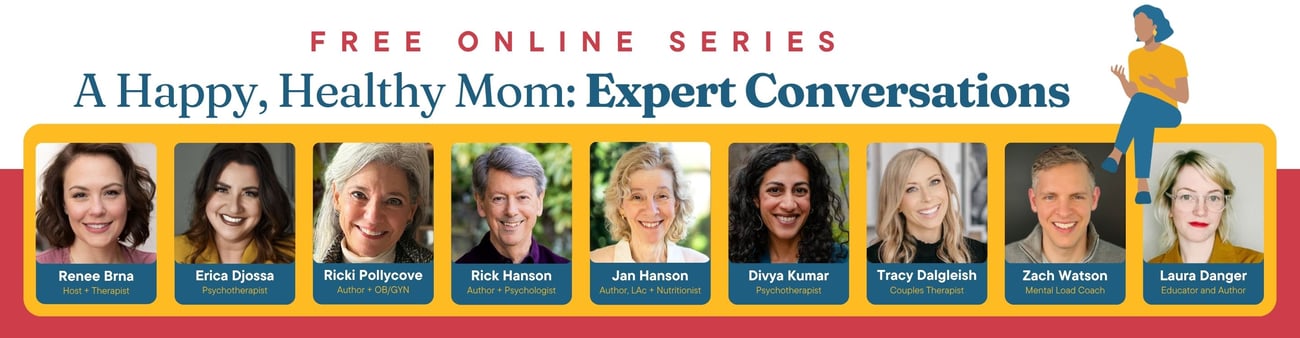
FREE ONLINE SERIES |
A Happy, Healthy Mom:
Expert Conversations |
 |
|
Sleepless nights, endless task lists, the weight of a household… a lot of moms constantly feel frayed — tired in a way that sleep doesn’t fix, disconnected from a partner, or quietly convinced that this exhaustion is just how it is now.
Based on the book A Happy, Healthy Mom, this series brings together clinicians, therapists, and authors who work with mothers every day, for honest conversations about what depletion actually looks like — and the practical, specific ways to get support again. |
| Sign Up Now |
|
|
|
|
|
NEW FROM THE WEDNESDAY TALK/MEDITATION: |
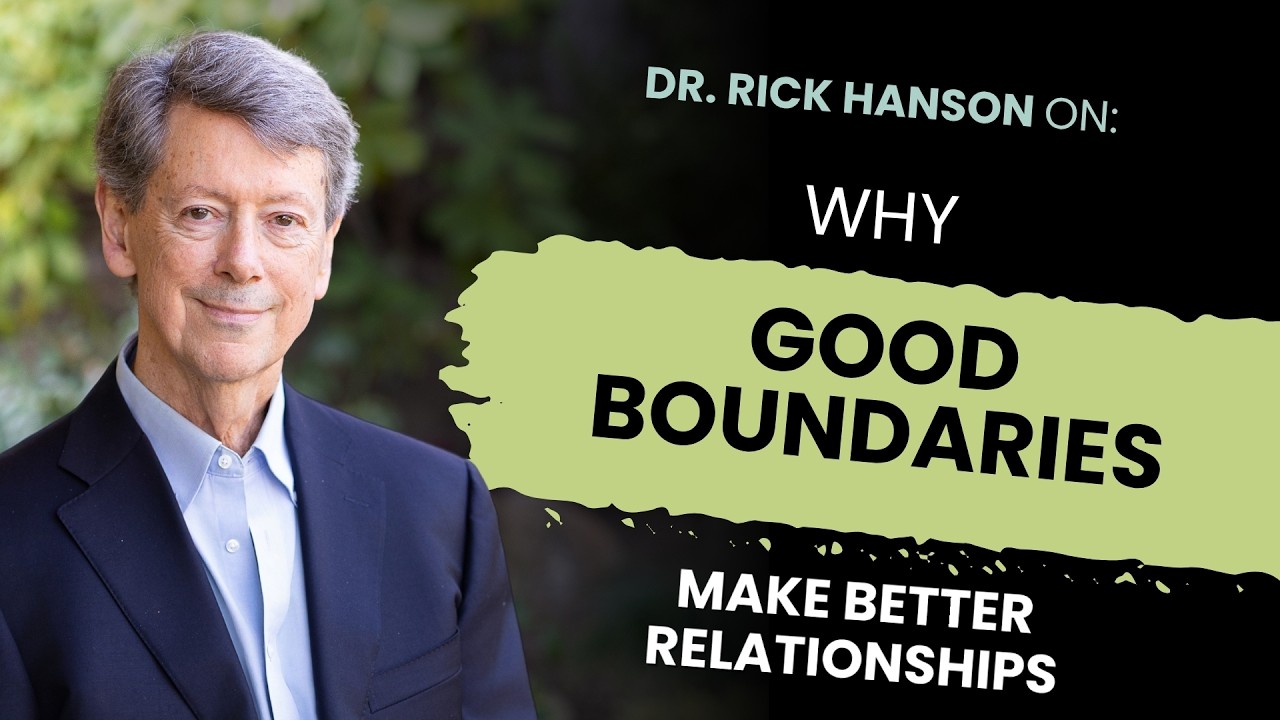
Why Good Boundaries Make Better Relationships |
 |
|
Good boundaries aren’t about pushing people away. In fact, they can help us feel closer, more open, and more at ease with the people we care about. When you know where you stand, what you’re responsible for, and what you’re simply not going to take on, there’s less resentment, confusion, and pressure in a relationship. So that’s what I covered in my talk this week, including how to recognize what’s okay, what’s not, and what is – as I like to put it, NMJ – Not My Job. |
| Check Out the Talk & Meditation |
|
|
|
|
|
NEW ON SUBSTACK: |
Why Am I Always Trying to Please People?
|
 |
|
In a recent live Q&A session of my Healing Insecure Attachment course, someone asked me a question that clearly struck a chord with others in the group. She finds herself always trying to please people, she said, even people she barely knows, and even people she’s hiring and paying. With a contractor working on her house, or the teacher at the front of her yoga class, the same low hum is there: a wish for them to be pleased with her, and a quiet discomfort at the thought that they might not be. By the end of some days, a good deal of her energy had gone into managing how other people felt about her, often without her quite deciding to. |
| Read More |
|
|
|
|
|
ALSO NEW ON THE BEING WELL PODCAST: |
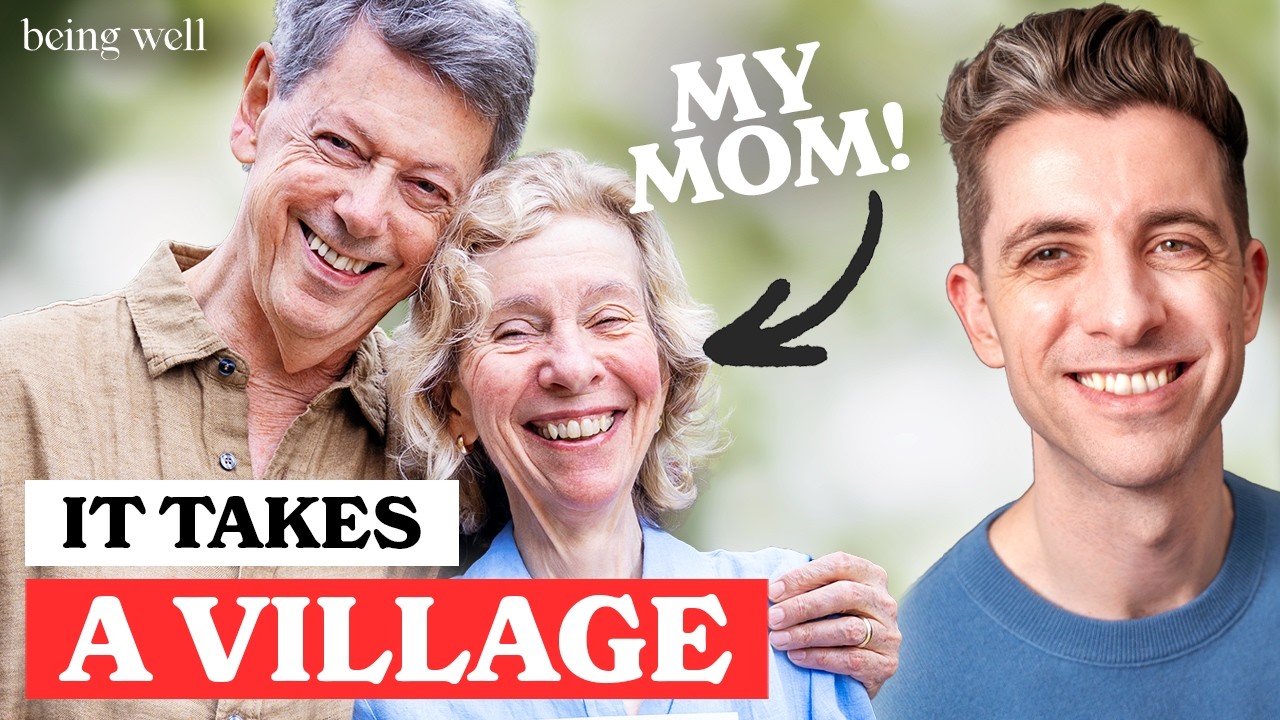
Depleted Mother Syndrome: Why Moms Burn Out, and How to Recover with Jan Hanson |
 |
|
Forrest is joined by his parents, psychologist Dr. Rick Hanson and nutritionist Jan Hanson, to discuss “Depleted Mother Syndrome:” the exhaustion, brain fog, and low mood so many mothers experience. They talk about how Jan hit bottom in the years after Forrest and his sister were born, why the hardest stretch often comes two or more years after birth, the problem with dismissing these experiences as “just motherhood,” and how people can recover.
|
| Watch/Listen to the Full Episode |
|
|
|
|
|
ASK RICK: |
Can you comment on the idea that we have an inherent optimism bias, as I believe your work helps counter a tendency towards a negativity bias as a reason to focus on taking in the good? |
 |
|
Some people make predictions about the future - such as the odds of winning on a lottery ticket, or the chance of avoiding health problems while continuing to smoke cigarettes - that are illogically or unrealistically optimistic. It’s also true that much of that research involves constructed choices in university laboratory settings, about fairly narrow and often somewhat artificial options.
In real world settings, we can observe many people shying away from doing certain things - going to see the doctor, public speaking, being emotionally vulnerable etc., etc. - in which their fears of the likelihood of a bad event and the consequences of it occurring are overly pessimistic. Additionally, people routinely underestimate their capacities to cope with challenges. These are both a kind of pessimism or negativity bias related to future events.
Further, in terms of social-emotional learning from previous experiences, there is much evidence that it is negatively biased for a typical person.
In other words, for most people in most real world situations, the negativity bias is much more influential than an optimism bias.
All this said, the key point is to be grounded in reality as it is, and mindful of biases of any kind operating in the mind and brain. And keep supporting yourself, and healing and growing and helping along the way! |
|
|
|
|
The Gaza Children Village |
|
|
|
The Gaza Children Village is helping restore childhood through safe education, nourishing meals, healthcare, trauma-informed care, and peace-building programs - and your support can help these children and families move toward healing, dignity, and a more hopeful future. |
|
|
|
|
|
|
MindFull of Good is a free newsletter that highlights new and free content from Dr. Rick Hanson and the Being Well Podcast as well as other free offerings to fill yourself up with good. |
|
|
|
|
|
|
|
|
|
|