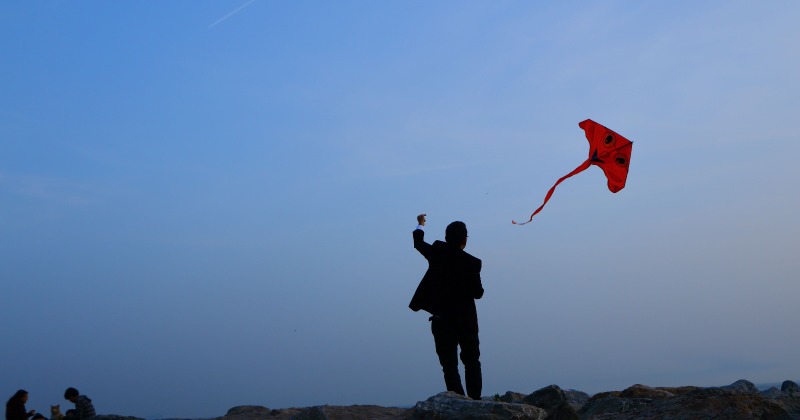
Do Freely. |
|
Quick note: if any of your relationships are a source of stress, friction, frustration, or disappointment... then I hope you'll check out my Strong Heart Relationship series that starts next month. (And it's half-off right now).
Most people spend most minutes of most days doing one thing after another. I sure do. Typing these words is a kind of doing, as is driving to work, making dinner, brushing one's teeth, or putting the kids to bed. For all the "labor-saving" devices of the past 50 years - dishwashers, phone machines, word processors, etc. - most of us are laboring more, not less. For example, in terms of employment, the average workweek in America has gotten longer over the past 50 years. Meet someone and ask how he or she is, the answer is likely: "busy." Doing is a huge part of life, yet we don't usually bring much awareness or wisdom to it.
Sometimes doing feels good. There could be a sense of flow in everyday activities, pleasure in your own skillfulness or competence, or fulfillment in helping others.
But often doing feels numb, or worse: on your feet for hours, grinding through repetitive tasks, zipping from one email to another, worried about performance, pressured and driven. In America and elsewhere, the relentless pace of stressful doing gradually wears down mental and physical health, and fuels conflicts with others. It's a big problem, with many costs.
How does your own doing generally feel for you?
Personally, I'm a big-time do-er. Like most of us, I could and should do at least a little less, and spend more time just being rather than doing. But meanwhile, we still have a lot to do, much if not all of it toward wholesome ends, from putting bread on the table and helping with homework to expressing our abilities and helping the world be a better place.
So the crux is not so much the doing itself but our relationship to it. How can we do what we do without getting pressed and stressed, contracted and driven, about it? |
So, how do you do it? |
|
For me, the essence of the answer is to do freely - to feel at ease in the experience of doing, not trapped or bound up in it. Here are some things that have been helping me with this.
Keep returning to the high-priority things - like taking care of your health, making room in your heart for others, or protecting time for the important but not urgent tasks at work - and let the little ones go. In the old saying: If you're filling a bucket, put the big rocks in first.
Feeling responsible for what you don't have the power to accomplish is doomed plus bad for you and others.
Be mindful of the sense of pressure. It's a clear sign that you're getting caught up in doing. When you notice this, exhale slowly. See if you can keep on doing - even quickly - while also feeling more relaxed and at ease.
Do one thing at a time. Bring mindfulness - sustained moment-to-moment awareness - into the doing. Develop this steadiness of mind, this continuity of presence, through activities like meditation, making art or music, yoga, or committing to stay focused in everyday activities such as brushing a child's hair.
Feel the completion as you finish each thing you do. For instance, take a second to notice that you have placed a plate in the dishwasher before moving onto the next dish; after arriving at work, let it land that this part of your day is now behind you; after talking with a friend, let the experience reverberate in your mind for a breath.
Try to experience doing as living. For me this feels like using a computer or driving a car or talking with someone as simply being an animal - a friend once called me "a large male mammal" - moving through its day. The sense of living then moves to the foreground, with doing as a matter-of-fact, no-big-deal, expression of embodied life. It's a subtle shift, but a powerful one.
See if you can regard experiences of doing as "empty": made up of many parts based on many causes that come and go transiently, so that any single experience - lifting a spoon to your mouth, making a bed, reading a book - is "empty" of absolute self-existence. Like the suggestion above, this one is also subtle, yet as this felt recognition of the emptiness of experiences of doing grows in you, you'll find that you feel freer in them, and take them less personally.
Last, make the offering (you might like the JOT that focused on this particular practice). All you can do is the best you can do: you can tend to the causes, but the results are out of your hands. For example, all you can do is say what is in your heart as sincerely and skillfully as you can, but what others do with that in their own minds is up to them, not you.
In sum, simple activities such as brushing one's teeth, or more complex ones such as running a meeting or writing a report, are an opportunity right under our noses, many times a day, to come into mindful presence, feel freer, and be at peace. |
| Read This Online |
|
Share on Facebook | Forward this Email |
|
|
|
|
|
|
MORE GOOD STUFF |
|
|
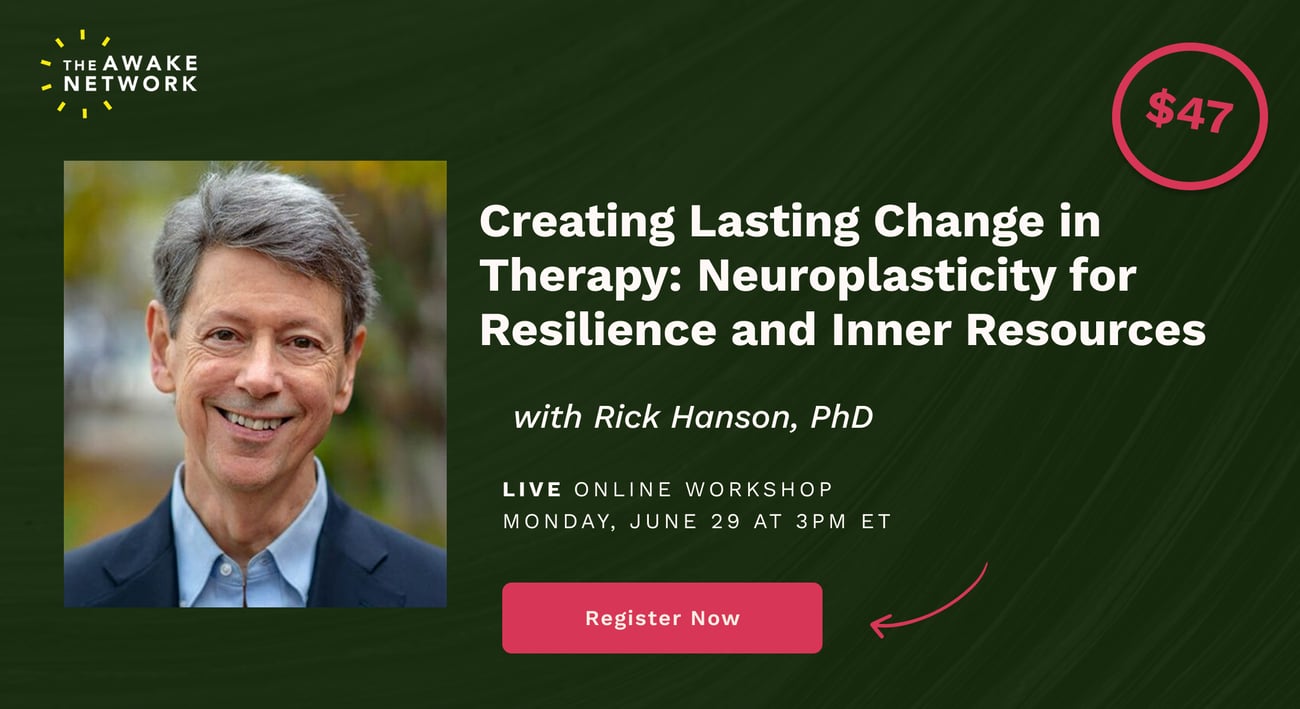 |
UPCOMING EVENT: Creating Lasting Change in Therapy
If you're a therapist, counselor, coach, or someone in a helping profession, I hope you'll check out this upcoming event I'm offering with The Awake Network. We'll be diving into how you can help clients move beyond temporary insight and support healing that becomes more deeply rooted, embodied, and lasting over time.
Check it out here
|
|
|
The Powerful Combination of Concentration and Insight
We all know what it’s like to feel scattered, stuck in our own mental loops, unable to actually move through the hard stuff. What the Buddha was pointing to with “right concentration” is that a settled, unified mind isn’t just a nice meditation bonus - it’s the thing that gives your insight real power to cut through.
In this talk, I dig into a remarkable ancient teaching by a nun named Dhammadinnā, exploring how concentration works together with virtue and wisdom to actually move you from suffering toward genuine release. Think of it like pairing a sharp blade with real heft behind it - one without the other just doesn’t get you through the thicket.
Check it out here | Join the Wednesday Talks for Free
|
|
|
SCIENCE NEWS: Surprise Is the Brain’s Signal to Upgrade
Researchers have recently found that the brain may handle surprises by treating them like a quick internal update, while filtering out the predictable details. In other words, it seems to save energy by focusing on what changes and ignoring what it already expects.
(View the Science News Archive)
|
|
|
FOR PARENTS: What’s “Optimal” About Frustration?
The theory of optimal frustration outlines these main points, but the overwhelming research evidence is that children separate from parents, develop sturdy egos, master their impulses, acquire skills, and grow morally when they are raised by sensitive caregivers who gratify, not frustrate, most of their wishes most of the time.
|
|
|
|
|
|
|
NEW BOOK AVAILABLE FOR PREORDER |
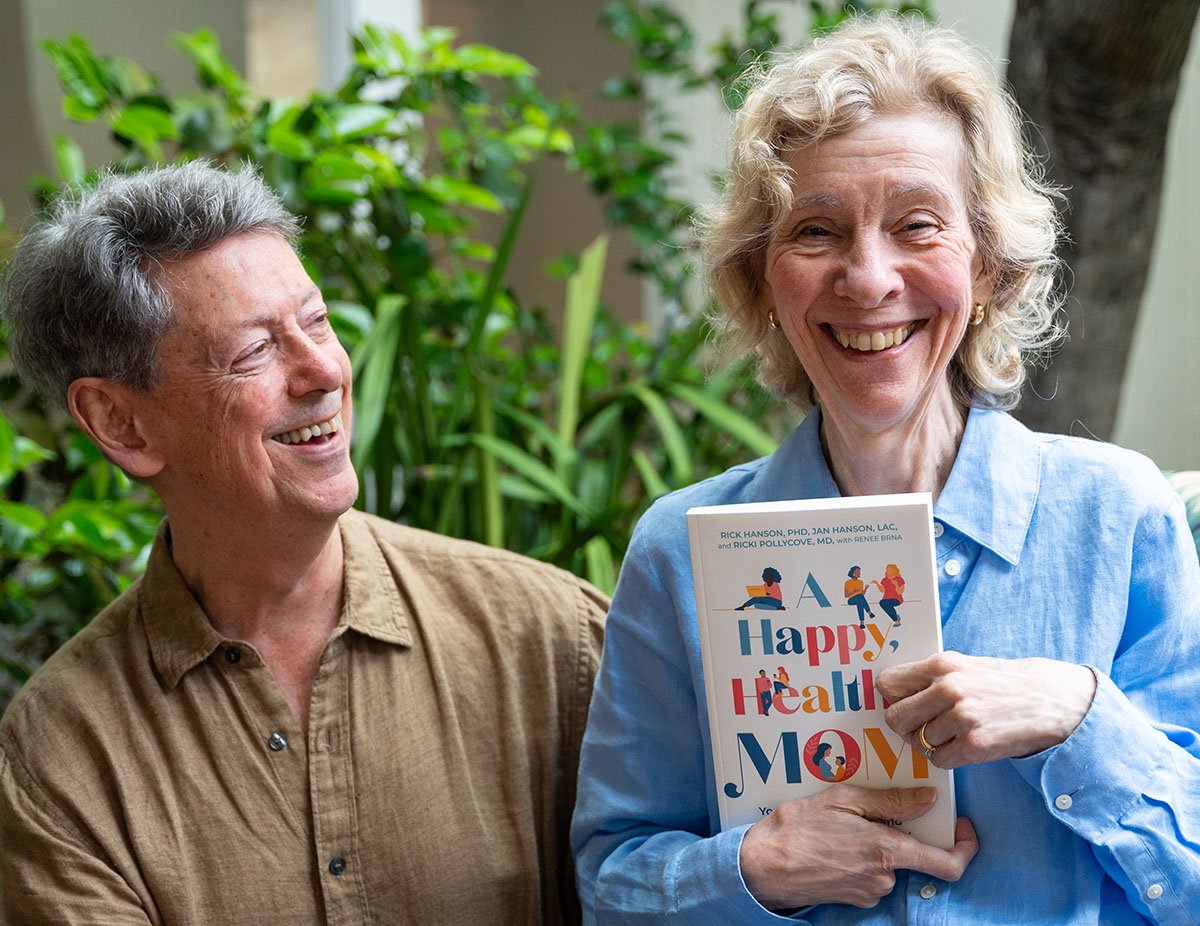
A Happy, Healthy Mom |
 |
|
We wrote this book for moms who feel exhausted, overwhelmed, or stretched too thin during the early years of raising a child. My wife Jan (a nutrition expert), friend Ricki Pollycove (a gynecologist-obstetrician), and I hope this will help moms reconnect to their own needs, restore their energy, reduce stress, and feel more supported — physically and emotionally. If you're a mom - or know one who could use some more support, I hope you'll check it out!
|
| Preorder Your Copy |
|
|
|
|
|
|
NEW ON THE PODCAST |
|
|
|
EPISODE 478:
Forrest is joined by one of the world’s leading happiness researchers, Dr. Sonja Lyubomirsky, to discuss the real secret to happiness: feeling loved. |
|
> Listen Now |
|
|
|
|
JUST ONE THING (JOT) suggests a simple practice each week for more joy, more fulfilling relationships, and more peace of mind. A small thing repeated routinely adds up over time to produce big results.
Just one thing that could change your life.
(© Rick Hanson, 2026) |
|
|
|
|
|
|
|
|